
AS SEEN ON





OUR TABLETS
Taste the sweetness in every food
Ever met those people who see the sweetness in everyone? You know the ones. They meet Darth Vader for coffee and then tell you “But he’s such a nice guy–he taught me some new breathing exercises!”
Well, consider yourself part of the club. With these tablets, you can now taste the sweetness in every food.
Knock sour out of the park with these all-natural miracle berry fruit tablets. Eat a lemon like an orange. Drink apple cider vinegar and actually enjoy it. Have a grapefruit for breakfast without sprinkling sugar on top. Astound, amaze, and vaguely worry your friends.
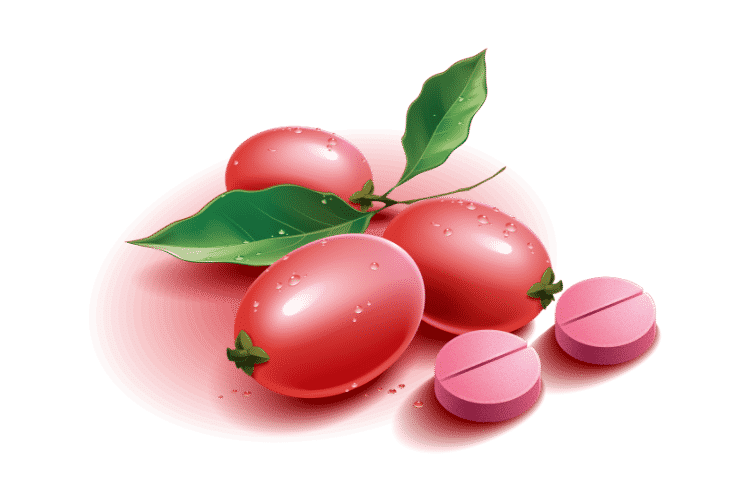
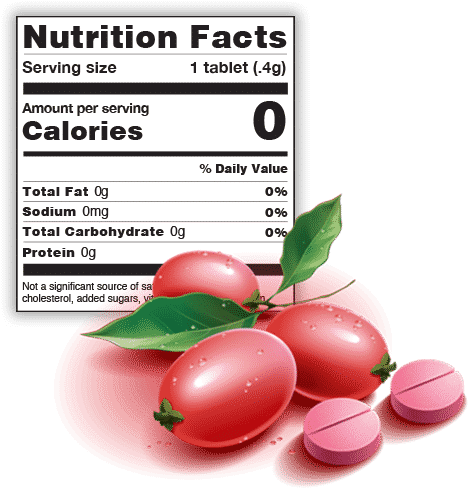
A HEALTHY SOLUTION
Experience Food for the First Time...Once Again
No tricks. No weirdness. No side effects. Just 100% natural miracle berry powder and cornstarch. (The tablets have to keep their shape somehow.) Our miracle fruit berries are grown from the ground, not whipped up in a lab–so when you take a bite of hard cheese and swear you’re eating cheesecake, it’s what Mother Nature intended.
Our Products
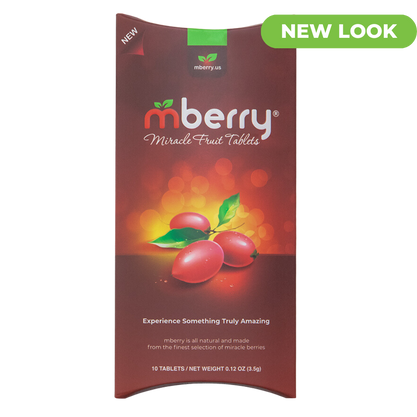
mberry Miracle Fruit Tablets
- Regular price
- $16.99
- Sale price
- $16.99
- Regular price
-
- Unit price
- per
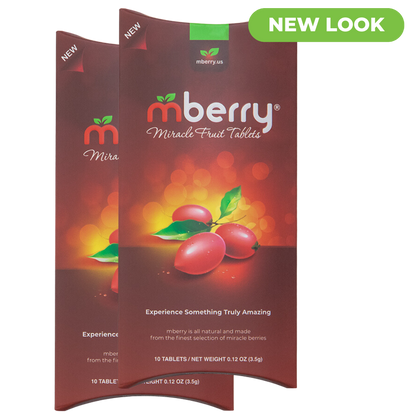
mberry Miracle Fruit Tablets (2 Pack)
- Regular price
- $27.99
- Sale price
- $27.99
- Regular price
-
- Unit price
- per
DON'T JUST TAKE OUR WORDS FOR IT
Testimonials & Reviews
It tastes like God took you into the garden of Eden and told you that eating this lemon would erase that whole apple business with the snake. It tastes like that kind of happiness.
mberry made for a delicious dessert, where the snozberries taste like snozberries, lemon wedges taste like candy and everything is simply heavenly.
These tablets are amazing!! They make the perfect gift to give someone or even just share them with people.
Had my own “flavor tripping” party last night. All I can say is, WOW! These worked fantastically and I can’t wait to use them again.
My husband bought dried miracle berries to see if they really worked. We tried them at home and decided to take a tray of items that work well with the berry to my parents house for the 4th of July. It was a big hit.
The Miracle Berry is great for everybody; but can be particularly helpful for people with conditions such as diabetes or those dieting who still want to enjoy sweet tasting cuisine. So fun, easy to use and delicious!
Frequently Asked Questions
What's in this stuff?
Miracle fruit powder and cornstarch.
Wait, so is this...safe? And legal?
Yes. Absolutely. Everything about this is 100% safe and legal. The miracle fruit (synsepalum dulcificum) is a little red berry that’s been naturally cultivated and safely eaten for centuries. There are absolutely no harmful effects.
Does it really work?
It really does! Vat19.com got their entire staff to try the tablets, and everyone had a similar experience. That being said, the intensity varies from person to person. Some people will be like, “Whoa, this tastes completely different!” Others will experience a milder effect.
How does it work?
The miracle fruit (synsepalum dulcificum) has a glycoprotein (miraculin) that coats the taste buds and temporarily alters their shape. Basically, it briefly blocks your sour receptors. Then, when sour tastes come in, your sweet receptors are activated instead. In a sense: low-key bio-hacking.
How long does it last?
It depends on the person. Anywhere from 15 minutes to 2 hours.
What are the best foods to try it with?
In our experience, you’re going to achieve the best effects with sour, bitter, or acidic foods. Strawberries, Granny Smith apples, and hard cheeses are all truly beautiful experiences. Lemon juice and vinegar will blow your mind. The best part of the miracle fruit tablet is the fun of experiencing familiar tastes in a totally new way.